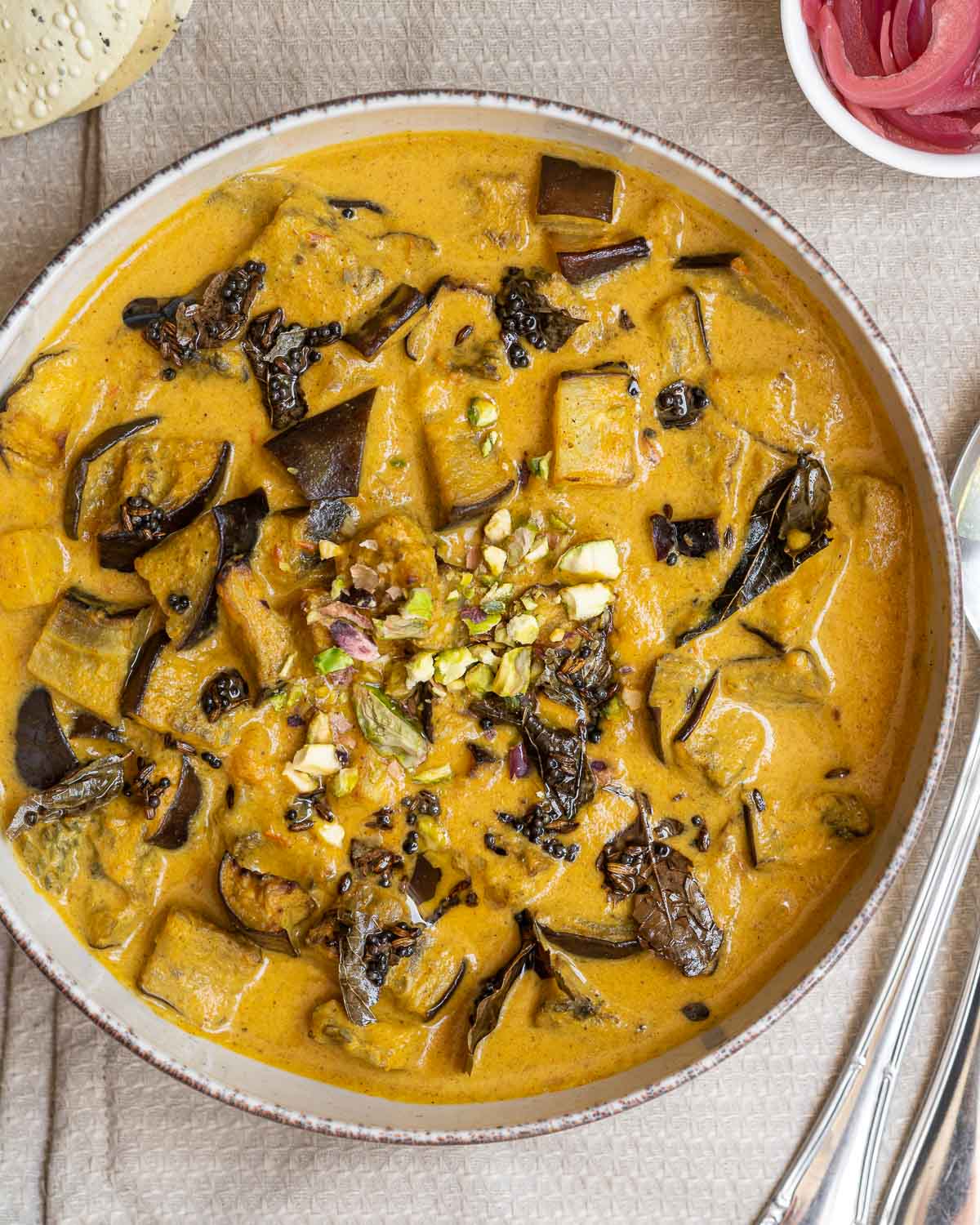
Unlocking the Magic of Aubergine Curry Eggplant Curry: A Culinary Journey
Few dishes possess the global appeal and remarkable versatility of a well-crafted aubergine curry eggplant curry. Whether you know it as aubergine in the UK and most of Europe, or eggplant in North America and Australia, this humble nightshade transforms into a rich, aromatic, and deeply satisfying meal when simmered in a fragrant curry. From the fiery kitchens of South India to the comforting warmth of Sri Lankan homes and the subtle elegance of Japanese preparations, aubergine curry eggplant curry is a testament to culinary ingenuity, offering a unique blend of textures and flavors that captivate the palate.
Beyond its delicious taste, this dish is a fantastic way to incorporate vegetables into your diet, being naturally wholesome and often vegan-friendly. It’s a dish that can be as simple or as complex as you desire, making it perfect for both weeknight dinners and elaborate celebratory meals. Dive with us into the world of this incredible dish, exploring its diverse forms, essential cooking techniques, and the secrets to crafting your own perfect rendition.
The Global Tapestry: Diverse Forms of Aubergine Curry Eggplant Curry
The beauty of aubergine curry eggplant curry lies in its myriad regional interpretations. Each culture brings its unique spices, cooking methods, and accompanying ingredients, resulting in a fascinating spectrum of flavors.
Indian Eggplant Curries: A Symphony of Spices
- Baingan Bharta (North India): A smoky, mashed eggplant dish where the aubergine is roasted or grilled over an open flame until charred, then peeled and mashed with tomatoes, onions, ginger, garlic, and a medley of spices. Its rustic charm and smoky flavor are incredibly addictive.
- Bharwa Baingan (Stuffed Eggplant): Small eggplants are typically slit and stuffed with a fragrant mixture of ground spices, herbs, and sometimes nuts, then slow-cooked in a rich gravy. This preparation showcases the aubergine’s ability to absorb and complement bold flavors.
- Gutti Vankaya Kura (South India): Hailing from Andhra Pradesh, this is another popular stuffed eggplant curry, often featuring a spicy, tangy, and slightly sweet peanut and sesame-based masala. The richness of the gravy perfectly balances the subtle bitterness of the eggplant.
- Kathal ki Sabzi (East India, with eggplant variation): While typically made with jackfruit, similar preparations using small, tender eggplants are common, often cooked with mustard oil and Panch Phoron (Bengali five-spice blend), offering a pungent and aromatic profile.
Sri Lankan & Southeast Asian Aubergine Delights
Sri Lanka boasts its own iconic version: Wambatu Moju, a pickled eggplant dish that is both sweet, sour, and spicy, often deep-fried and then tossed in a flavorful sauce. It’s less of a traditional curry but a popular accompaniment. In broader Southeast Asia, you'll find lighter, coconut milk-based eggplant curries, often featuring ingredients like lemongrass, galangal, and kaffir lime leaves, giving them a distinctly aromatic and milder flavor profile compared to their Indian counterparts. For a deeper dive into the specific nuances of some of these fantastic dishes, you might want to read aubergine curry eggplant curry - Article 1, which covers various traditional regional recipes.
Beyond Asia: Mediterranean and Middle Eastern Influences
While not always strictly "curries" in the Indian sense, many Mediterranean and Middle Eastern dishes feature cooked aubergine with spices, onions, and tomatoes, sharing a similar soul to a hearty stew or curry. Think of dishes like Turkish Imam Bayildi (stuffed eggplant with onions and tomatoes) or Greek Melitzanosalata (smoked eggplant dip), which, while different in form, highlight the vegetable's versatility in absorbing rich flavors.
Mastering the Aubergine: Tips for the Perfect Curry Texture
The key to an outstanding aubergine curry eggplant curry lies in how you handle the aubergine itself. Its spongy texture means it can absorb a lot of oil, but with the right techniques, you can achieve a wonderfully tender, melt-in-your-mouth consistency without it becoming greasy or mushy.
Preparing Your Aubergine:
- Salting (Optional, but Recommended for Some): For larger, older eggplants that might have a slightly bitter taste or excessive moisture, salting is a great technique. Cut the aubergine into desired pieces, toss with a generous sprinkle of salt, and let it sit for 30 minutes to an hour. This draws out excess moisture and bitterness. Pat thoroughly dry before cooking. For small, fresh, tender eggplants, this step can often be skipped.
- Cutting: The size and shape of your aubergine pieces matter. Cubes are common for a chunky curry, while longer strips or wedges work well for a more elegant presentation. For stuffed variations, small, round or oval eggplants are left whole with slits.
Cooking Methods for Aubergine:
- Frying (Shallow or Deep): Many traditional recipes call for frying aubergine pieces until golden brown and tender before adding them to the curry. This creates a lovely caramelized exterior and a soft interior. Be mindful of oil absorption; don't overcrowd the pan.
- Roasting/Grilling: For a healthier option and to add a smoky depth, roasting or grilling aubergine pieces (tossed lightly with oil) until tender is excellent. This method is particularly popular for dishes like Baingan Bharta.
- Sautéing: If you're aiming for a lighter curry, you can sauté aubergine directly in the curry base. It will soften and absorb the flavors directly. This works best with smaller, less seedy eggplants.
- Stewing/Simmering: Aubergine can be added raw to the curry sauce and allowed to simmer until tender. This method infuses the aubergine with the curry's flavors from the start, though it might take a bit longer to achieve the desired melt-in-your-mouth texture.
Experimenting with these methods will help you achieve the perfect texture for your preferred style of eggplant curry. For more specific insights into different cooking preparations that maximize flavor, don't miss aubergine curry eggplant curry - Article 2.
Spice Secrets: Building Flavor in Your Eggplant Curry
The heart and soul of any curry lie in its spices. For an exceptional aubergine curry eggplant curry, selecting and balancing your aromatics and spice blends is crucial.
Foundation Aromatics:
- Onion: Forms the base of most curries. Sautéing until deeply golden or even caramelized adds significant depth and sweetness.
- Ginger and Garlic: A classic duo, often ground into a paste, providing pungency and aromatic warmth.
- Green Chillies: For heat, finely chopped and added early or slit and simmered whole for milder warmth.
Essential Spices (Whole & Ground):
A typical Indian or Sri Lankan aubergine curry eggplant curry will feature a range of spices. It's often best to temper whole spices in hot oil first to release their essential oils, then add ground spices to toast them lightly before adding liquids.
- Whole Spices:
- Mustard Seeds: Pop and splutter, adding a nutty, pungent flavor.
- Cumin Seeds: Earthy and warm.
- Fenugreek Seeds: Slightly bitter, adds depth.
- Curry Leaves: Aromatic, adds a distinct South Indian/Sri Lankan flavor.
- Cardamom Pods, Cloves, Cinnamon Stick: For warmth and fragrance.
- Ground Spices:
- Turmeric Powder: For color and earthy notes, also anti-inflammatory.
- Coriander Powder: Mild, citrusy, and essential for body.
- Cumin Powder: Earthy complement to the whole seeds.
- Red Chilli Powder (or Cayenne): For heat and vibrant color.
- Garam Masala: A finishing spice blend (often added at the end) for warmth and fragrance, typically containing roasted and ground spices like cumin, coriander, cardamom, cinnamon, cloves, and black pepper.
Balancing Flavors:
Don't forget elements that add tang, sweetness, or creaminess:
- Tomatoes: Canned or fresh, they provide acidity and body.
- Tamarind Paste: For a distinct sour and tangy note, especially in South Indian varieties.
- Coconut Milk/Cream: Adds richness and mellows the spices, common in South Indian and Southeast Asian versions.
- Jaggery/Sugar: A pinch can balance the acidity and heat, rounding out the flavors.
The art of creating an authentic aubergine curry eggplant curry lies in understanding how these elements interact. Don't be afraid to taste and adjust as you go, building layers of flavor step by step.
Beyond the Basic: Creative Twists and Pairings
While a classic aubergine curry eggplant curry is a meal in itself, there are countless ways to customize and enhance it.
- Add Other Vegetables: Bell peppers, potatoes, green beans, or peas can be added for extra nutrition and texture.
- Protein Boost: For a more substantial meal, consider adding chickpeas, red lentils, paneer (Indian cheese), or even tofu towards the end of cooking.
- Garnishes: Fresh coriander (cilantro), mint, a squeeze of lime juice, or a dollop of plain yogurt can elevate the dish significantly. Crispy fried shallots or a final tempering (tarka/tadka) of whole spices and curry leaves in ghee can add an extra layer of aroma.
- Serving Suggestions: Aubergine curry is traditionally served with steamed basmati rice, jeera rice, or various Indian breads like naan, roti, or paratha. It also pairs wonderfully with a simple cucumber raita or a fresh salad to cut through its richness.
Conclusion
The journey through the world of aubergine curry eggplant curry reveals a dish of incredible depth, adaptability, and global appeal. From the smoky depths of Baingan Bharta to the aromatic embrace of a Sri Lankan wambatu curry, each variation offers a unique culinary experience. By understanding the diverse cooking methods for aubergine and mastering the symphony of spices, you are well-equipped to create a truly memorable meal. Whether you're a seasoned chef or a home cook eager to explore new flavors, embracing the eggplant in a curry is a rewarding endeavor. So, gather your ingredients, ignite your senses, and embark on your own delicious adventure with this magnificent vegetable. Your taste buds will thank you.
